Campus Holiday: A Bold Font for Impactful Design and Communication
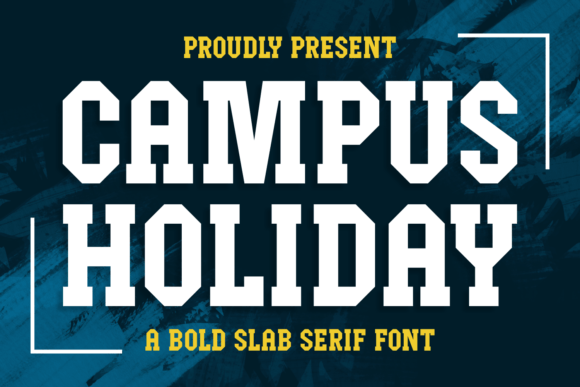
Campus Holiday is a bold and robust slab serif font that brings a sense of strength, clarity, and festive spirit to any text. Designed with impact in mind, it’s an excellent choice for professionals and creators looking to make their messages stand out in print or digital formats. Whether you're crafting headlines, designing marketing materials, or enhancing the visual appeal of a presentation, Campus Holiday can be a valuable asset in your creative toolkit.
Understanding the Role of Campus Holiday in Your Workflow
Fonts play a crucial role in design and communication. They set the tone, convey personality, and influence how audiences perceive content. Campus Holiday, with its strong character shapes and confident structure, is particularly effective when used in contexts where visibility and authority are important. This makes it ideal for use cases such as:
- Headlines and subheadings in magazines, brochures, and posters
- Signage and branding elements requiring bold presence
- Web banners and landing pages where attention is key
- Event invitations and holiday-themed designs
- Business cards and packaging for products with a modern yet classic aesthetic
Before incorporating Campus Holiday into your project, consider its weight and spacing characteristics. Slab serifs like this one often work best in larger sizes where their distinctive features can shine. In smaller sizes, they may appear too heavy or lose readability. Always test the font across different mediums—print, web, mobile—to ensure it maintains its effectiveness.
Using Campus Holiday in the Planning Phase
When planning a design or communication project, selecting the right font is part of establishing a clear visual identity. Campus Holiday fits naturally into early-stage planning by helping define the mood and style of the project. It's especially useful when the goal is to create something memorable, authoritative, or celebratory.
For example, if you’re launching a new product campaign around a seasonal theme, using Campus Holiday during the brainstorming phase can help you visualize how the brand message will look before moving into execution. You might pair it with complementary fonts for body text—such as a clean sans-serif like Lato or Open Sans—to maintain balance and ensure readability while still highlighting key messaging with boldness.
Consider creating a mood board that includes swatches of Campus Holiday alongside other design elements like color palettes, images, and layout concepts. This helps align your team on the intended tone and ensures consistency from concept to final delivery.
Implementation Tips for Smooth Integration
Integrating Campus Holiday into your workflow requires thoughtful application. Here are some practical tips to help you get started:
- Use it sparingly for emphasis: Because of its bold nature, Campus Holiday works well as a headline or call-to-action font rather than for long blocks of text.
- Pair it with subtler fonts: To avoid overwhelming the reader, combine Campus Holiday with more delicate typefaces for supporting text.
- Test cross-platform compatibility: If your project spans multiple platforms (e.g., print, web, social media), confirm that the font renders consistently across all devices and operating systems.
- Optimize for legibility: Ensure sufficient contrast between the font and background colors. Light backgrounds typically work best with dark versions of the font.
- Store and organize font files properly: Keep your font library tidy by categorizing Campus Holiday under “slab serif” or “bold display fonts” for easy retrieval later.
Another consideration is licensing. If you plan to use Campus Holiday commercially—for logos, websites, or merchandise—verify that your license allows for those specific uses. Some fonts have restrictions that could limit their deployment unless the appropriate permissions are obtained.
During Execution: Bringing Campus Holiday to Life
Once you’ve decided to use Campus Holiday in a project, the next step is to integrate it effectively into your design software or platform. Most graphic design tools, such as Adobe Photoshop, Illustrator, or Figma, support custom font installation. For web developers, embedding the font via Google Fonts or similar services can streamline the process.
Incorporate Campus Holiday into your style guide to ensure consistent usage across all project components. Define specific scenarios where it should be applied—such as titles, buttons, or promotional copy—and avoid overusing it to prevent visual fatigue. A well-planned hierarchy using this font can guide the viewer’s eye through the content, emphasizing key points without confusing the overall message.
For instance, a marketing team preparing a holiday promotion might use Campus Holiday for the main headline, a lighter sans-serif for subheadings, and a monospace font for code snippets or special offers. This layered approach creates visual interest while maintaining clarity and purpose.
Workflow Example: Building a Seasonal Landing Page
Here’s a typical workflow for integrating Campus Holiday into a seasonal landing page:
- Define the project goals and audience.
- Select a color scheme and imagery that aligns with the holiday theme.
- Install and activate Campus Holiday in your design tool.
- Design a mockup with the font applied to headlines and key calls to action.
- Share the draft with stakeholders for feedback, adjusting as needed.
- Export the final design and embed the font in the web version using CSS.
- Review the site on multiple devices to confirm usability and appearance.
This process highlights how Campus Holiday supports not only the visual aspect but also the strategic elements of a project. Its bold presence can help reinforce urgency or importance, which is especially useful in time-sensitive campaigns or event promotions.
After Deployment: Monitoring and Refining
Even after deploying Campus Holiday in a project, it's worth evaluating its performance. In digital contexts, track user engagement metrics such as click-through rates or time spent on page to see if the font contributes positively to user experience. In print, gather feedback from readers or clients to assess whether the font enhances the overall impression.
If Campus Holiday isn’t delivering the expected impact, consider alternatives or adjustments. Sometimes a slightly lighter weight or different spacing can make a big difference. The key is to remain flexible and responsive to real-world outcomes while staying true to the original design intent.
Long-Term Use and Quality Control
For long-term projects or recurring content, maintaining font consistency is essential. Create templates that include Campus Holiday settings so every new piece follows the same guidelines. This reduces decision fatigue and ensures a professional, unified look over time.
Additionally, keep your font files updated. While many fonts are static, some designers release updates that improve rendering or fix bugs. These small changes can enhance the quality of your output without requiring a complete redesign.
When collaborating with others—whether in-house teams or freelancers—make sure everyone has access to the correct version of Campus Holiday. Clear documentation about font choices and usage rules can prevent inconsistencies and save time during revisions.
When to Avoid Campus Holiday
Although Campus Holiday is versatile, it’s not always the best choice. Avoid using it in situations where subtlety or minimalism is preferred. For example, academic papers, technical manuals, or corporate reports may benefit more from traditional serif or sans-serif fonts that prioritize readability over boldness.
Also, refrain from using it in multilingual projects unless you're certain it supports the necessary characters. Many bold slab serif fonts lack comprehensive language coverage, which could lead to formatting issues or unattractive substitutions.
Enhancing Brand Identity with Campus Holiday
Fonts are a core element of brand identity. Campus Holiday can be particularly effective for brands that want to communicate confidence, tradition, or festivity. It’s commonly used in industries like hospitality, retail, education, and event planning, where making a strong first impression is vital.
When building a brand, use Campus Holiday in logos, promotional materials, and social media posts to establish a recognizable visual pattern. Combine it with brand colors and photography to create a cohesive style that resonates with your target audience. Over time, this repetition builds familiarity and trust.
Case Study: Educational Institution Brochure
An educational institution wanted to update its annual campus tour brochure. They chose Campus Holiday for the cover title and chapter headings because it conveyed a welcoming yet professional tone. The rest of the brochure used a more readable font for body text, allowing Campus Holiday to serve as the visual anchor. The result was a publication that felt both informative and inspiring, encouraging prospective students to engage further with the school’s offerings.
Conclusion: Making the Most of Campus Holiday
Campus Holiday is more than just a decorative font—it’s a strategic tool for enhancing communication and design. By understanding its strengths and limitations, you can integrate it smoothly into your workflow and maximize its impact. Whether you're working on a holiday campaign, a brand refresh, or a creative presentation, this font can help you deliver messages with clarity and confidence.
Remember to think beyond aesthetics. Every font choice should align with your project’s goals, audience expectations, and technical requirements. With Campus Holiday, the combination of boldness and precision makes it a reliable option for those who need to stand out without sacrificing professionalism.