Onceupon: A Bold Font That Elevates Your Design
Fonts are more than just letters on a page—they're the foundation of visual communication. Choosing the right typeface can make all the difference in how your message is received, especially when you're aiming for clarity, impact, and professionalism. Enter Onceupon, a bold and assertive slab serif font that brings confidence and character to any design project. Whether you're creating marketing materials, branding assets, or editorial content, Onceupon has the potential to transform your work and help you stand out in a crowded digital landscape.
What Makes Onceupon Unique?
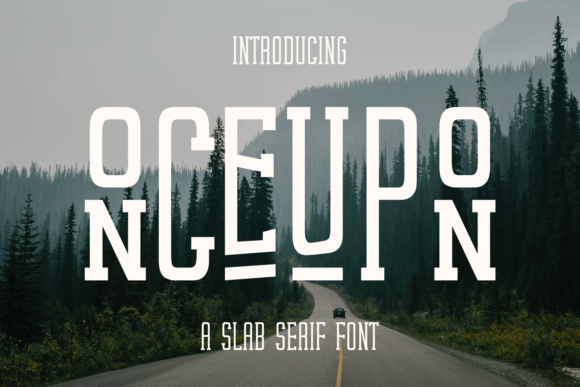
Slab serif fonts are known for their strong, block-like serifs and sturdy appearance. They combine the readability of traditional serif fonts with the modern edge of sans serifs. Onceupon takes this concept further by offering a robust and commanding presence without sacrificing legibility. Its thick strokes and defined edges give it an air of authority, while its carefully balanced proportions ensure it remains approachable and easy to read at various sizes.
This font is particularly well-suited for projects that require both style and substance. It's not just about looking good—it's about making sure your message is clear and impactful from the moment it’s seen.
Why Slab Serifs Still Matter in Modern Design
In an era dominated by minimalist aesthetics and clean sans serif fonts, slab serifs like Onceupon offer a refreshing contrast. They add weight and gravitas to text, making them ideal for headlines, titles, and other prominent elements. The font's assertiveness helps draw attention, which is crucial for capturing the reader's interest quickly—especially in environments where visual clutter is common.
Practical Applications for Onceupon
The versatility of Onceupon means it can be used across a wide range of creative fields. Here are some realistic scenarios where it can make a meaningful difference:
- Marketing Materials: Use Onceupon in brochures, posters, or email campaigns to create a sense of urgency and importance. Its boldness makes key messages pop, encouraging readers to take action.
- Branding Projects: If your brand communicates strength, reliability, or innovation, Onceupon can reinforce those values visually. It works especially well for logos, taglines, and business cards.
- Blog Headers and Titles: For bloggers and content creators, Onceupon adds personality to headers and subheadings, helping establish a consistent and professional tone across posts.
- Print Publications: From magazines to books, this font enhances readability while maintaining a stylish edge. It pairs well with more delicate body fonts to create a layered typographic experience.
- Academic and Educational Resources: Educators and publishers often use bold fonts to highlight important concepts or section headings. Onceupon can serve as a powerful tool for emphasizing key points in study guides, textbooks, or presentations.
How Onceupon Supports Creativity and Communication
One of the most significant advantages of using Onceupon is its ability to support creativity without overwhelming the viewer. Unlike overly decorative fonts that may distract from the message, Onceupon maintains a professional look while still being distinctive enough to leave a lasting impression.
Consider a small business owner launching a new product line. By incorporating Onceupon into packaging labels or promotional banners, they can immediately convey confidence and quality. This subtle but effective choice can influence customer perception and trust, leading to better engagement and sales performance.
Real-World Impact: Case Studies and Examples
Let’s take a closer look at how Onceupon can deliver results in practical settings:
Case Study 1: Branding for a New Coffee Shop
A local entrepreneur was struggling to differentiate their coffee shop from competitors. After experimenting with several fonts, they chose Onceupon for their logo and signage. The result? A stronger visual identity that exuded warmth and strength. Customers noticed the difference, and word-of-mouth traffic increased significantly within the first month.
Case Study 2: Raising Engagement on a Blog
A lifestyle blogger wanted to improve the readability and visual appeal of her website. She replaced her default header font with Onceupon, giving her blog a more polished and engaging feel. Within weeks, she saw a noticeable increase in time spent on pages and a drop in bounce rate—proof that typography plays a role in user experience and retention.
Case Study 3: Enhancing Presentation Slides for Clients
A freelance designer preparing a client pitch needed a font that would command attention. Using Onceupon for title slides helped emphasize the main points, making the presentation more persuasive and memorable. The client reported being impressed by the level of detail and professionalism in the design, leading to a successful contract renewal.
Who Can Benefit Most from Onceupon?
While Onceupon is versatile, certain professionals will find it particularly valuable:
- Graphic Designers: Looking for a go-to font for high-impact designs, especially in print media or digital ads.
- Marketers: Needing to craft compelling visual narratives that resonate with audiences and drive conversions.
- Content Creators: Seeking a unique yet readable font for video intros, social media posts, or website headers.
- Small Business Owners: Wanting to build a strong, cohesive brand image with minimal resources.
- Freelancers and Entrepreneurs: Requiring a reliable font for resumes, proposals, and business collateral.
Each of these roles requires clear and confident communication. Onceupon provides the tools to do that effectively, whether through a single headline or a full suite of branded materials.
Recommendations for Effective Use
To get the most out of Onceupon, consider the following best practices:
- Pair with a Complementary Font: Combine Onceupon with a lighter sans serif or a classic serif for body text to maintain balance and avoid overwhelming the reader.
- Use Sparingly for Maximum Impact: While Onceupon is bold, overusing it can reduce its effectiveness. Reserve it for key statements or headlines.
- Test Across Devices and Mediums: Ensure that Onceupon looks sharp and legible on both screens and printed materials. Adjust spacing or size if necessary to optimize readability.
- Match the Tone of Your Content: Since Onceupon conveys strength and authority, it works best for serious topics, announcements, or motivational messaging. Avoid using it in contexts where subtlety is preferred.
When Onceupon Might Not Be the Best Fit
Despite its many strengths, Onceupon isn’t always the perfect solution. Consider the following limitations before choosing it for every project:
If your design leans heavily into minimalism or soft aesthetics, Onceupon’s bold nature might clash with your overall theme. In such cases, a more refined or neutral font could be a better match. Additionally, in very long paragraphs or dense documents, using Onceupon for body text may hinder readability due to its heavier weight.
Always compare Onceupon with other fonts in your library to determine the best fit for your specific needs. Sometimes, a slightly different style can enhance the message even more.
Strengthening Communication Through Typography
Strong typography doesn't just look good—it communicates more clearly. Onceupon’s bold structure helps emphasize key ideas, making it easier for viewers to grasp the main point quickly. This is especially beneficial in fast-paced environments where attention spans are short and information overload is common.
For instance, a nonprofit organization working on awareness campaigns found that using Onceupon in their infographics made critical data more prominent. As a result, their audience engaged more deeply with the content, and donations rose after the campaign launch.
Saving Time and Increasing Efficiency
Designers and content creators often face tight deadlines and limited resources. Fonts that are both stylish and functional can streamline the process. Onceupon eliminates the need to hunt for the right font because it’s already optimized for visibility and impact. You’ll spend less time tweaking and more time executing, allowing you to focus on what matters most—your message and your audience.
Its consistent styling also makes it easier to maintain a unified look across multiple platforms or formats. Whether you’re designing a website, printing flyers, or creating a PowerPoint deck, Onceupon ensures a cohesive aesthetic without requiring constant adjustments.
Problem-Solving with Purposeful Design
Typography is a problem-solving tool. When a font isn’t performing well, it can lead to confusion, missed messages, or unprofessional appearances. Onceupon steps in as a reliable solution for these issues:
- Issue: Headlines don’t stand out enough.
Solution: Use Onceupon to instantly boost visual hierarchy and make your key points impossible to ignore. - Issue: Brand identity feels weak or inconsistent.
Solution: Apply Onceupon strategically to logos, tags, and calls-to-action to reinforce a bold and memorable brand voice. - Issue: Text appears too plain or boring.
Solution: Inject energy and clarity with Onceupon’s dynamic structure, transforming ordinary layouts into visually engaging ones.
Final Thoughts on Incorporating Onceupon
Onceupon isn’t just another font in your collection—it’s a strategic choice that can elevate your creations with its bold and assertive character. From branding to publishing, this slab serif offers a unique blend of strength and readability that few fonts achieve. By understanding its strengths and limitations, you can use it to communicate more effectively, save time in your workflow, and make decisions that align with your creative goals.
As with any tool, the key is knowing when and how to use it. Onceupon thrives in situations where confidence and clarity are essential. It’s a font that speaks volumes without saying a word, supporting your message with every stroke. So next time you're reaching for a font that commands attention and builds credibility, remember why Onceupon belongs in your toolkit.